 Skip to content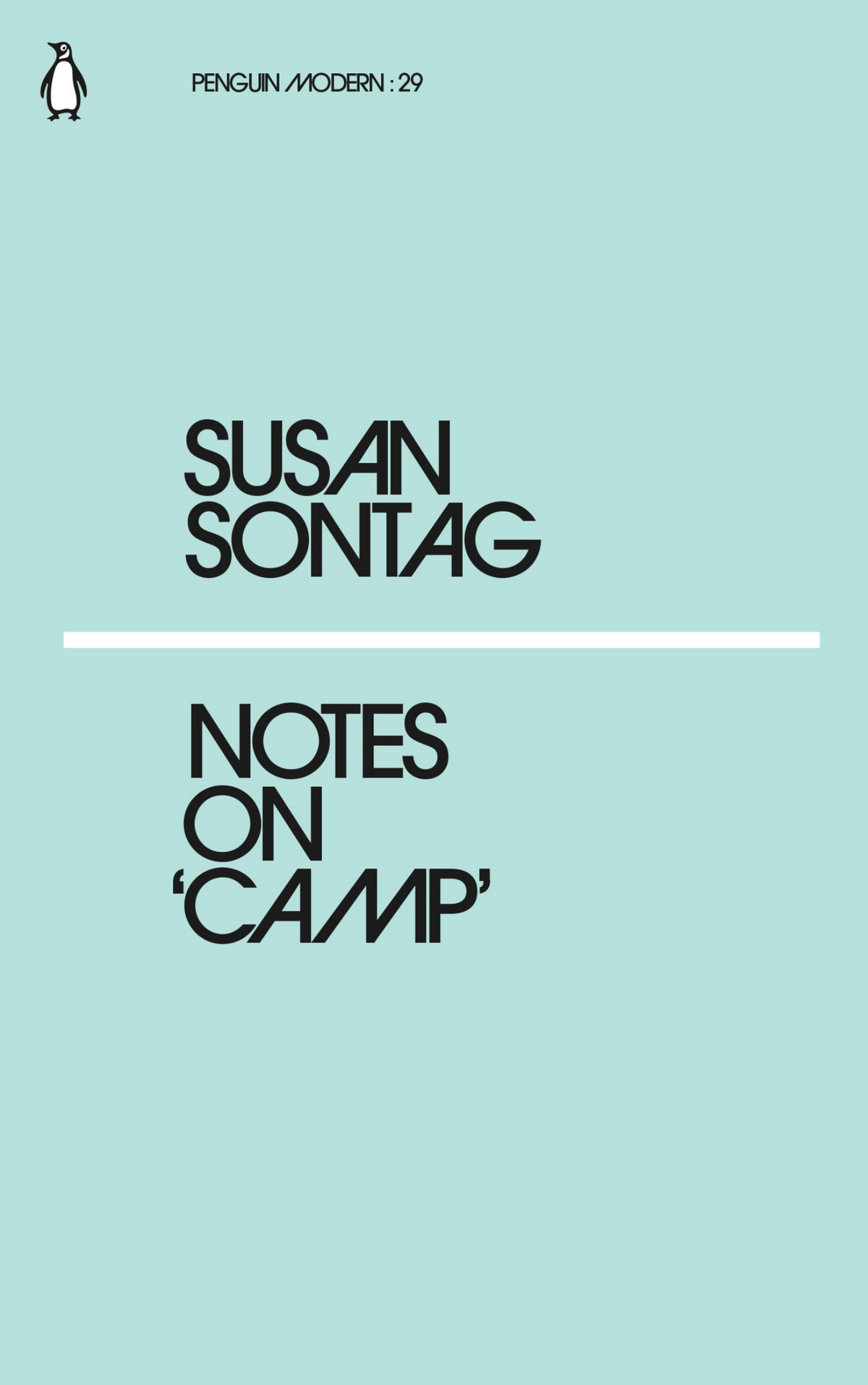
Notes on “Camp” by Susan Sontag
Published in 1964, Sontag’s essay defines “camp” as a sensibility that values artifice, exaggeration, stylization, and theatricality. Through a series of numbered observations, she reframes seriousness and taste by examining how the “so bad it’s good” can become aesthetically meaningful.
Why It Matters:
It complicates conventional hierarchies of good and bad taste, introducing irony and self-awareness as tools of discernment and expanding aesthetic judgment beyond sincerity or moral seriousness.